
30% Modal Bedding Collection
How is Modal fabric made, and what are its characteristics?
1.Modal is a regenerated cellulose fiber made from natural wood pulp, originally developed by Lenzing in Austria. Combining the softness of natural fibers with the durability of synthetics, it is widely used in premium underwear, T-shirts, and bedding products.2.Modal is derived from beechwood harvested from sustainably managed forests. The wood pulp is processed into fiber using eco-friendly techniques. Lenzing Modal is produced using a closed-loop process that recovers almost 100% of water and solvents, minimizing environmental impact. 3.Modal stands out for its strong sustainability profile:
Made from renewable natural resources (FSC/PEFC certified)
Closed-loop production with minimal chemical discharge
Requires significantly less water and energy than cotton
Fully biodegradable and free from microplastic pollution
Durable and long-lasting, reducing waste from frequent replacements4.Modal delivers a luxurious skin feel and excellent fabric performance:
Silky-soft and gentle on skin
50% more absorbent than cotton, keeping the user dry
Anti-pilling and wrinkle-resistant
Excellent shape retention after repeated washing5.Modal is commonly used in close-contact home textile products such as duvet covers, sheets, comforters, summer blankets, and pillowcases. In Western markets, Modal bedding is increasingly popular due to its eco-conscious appeal and luxurious feel—ideal for mid-to-high-end brands and customized online offerings. 6.We specialize in the development and mass production of Modal-blended bedding. Our offerings include 30%, 50%, or customized blends with additional treatments such as pre-washing, brushing, or anti-bacterial finishes—enabling our clients to create highly differentiated, premium products.
What are the advantages of blended Modal fabrics compared to 100% Modal, especially for bedding manufacturing?
In the bedding and home textile industry, Modal fabric is valued for its softness, breathability, and sustainability. There are two main types: 100% Modal and Blended Modal. While both are skin-friendly, blended Modal offers several key advantages for real-world bedding applications:
1. Better Structural Support for Large Bedding Items
100% Modal is soft but lacks firmness, making it less ideal for products like duvet covers or fitted sheets. Blended Modal fabrics (e.g., with cotton or polyester) offer better structure and stability, helping maintain a crisp, well-shaped appearance.
2. Improved Durability for Everyday Use
Pure Modal has lower fiber strength, which may affect durability. Blended versions significantly enhance washability and tear resistance, making them perfect for durable bed sheets used in hotels or for customers who wash bedding frequently.
3. Better Production Stability & Higher Output Quality
Blended Modal fabrics are easier to dye and finish, showing less shrinkage and color variance. This ensures consistent results in bulk bedding production, supporting high efficiency and long-term supply stability.
4. More Cost-Effective for Mid-to-High-End Markets
100% Modal is more expensive. Blending at 30% or 50% retains the luxurious feel while lowering costs, enabling brands to launch affordable sustainable bedding collections that are competitive across e-commerce platforms.
5. Flexible Customization for Market Segmentation
Blended Modal can be tailored for different product tiers, helping brands serve basic, premium, and eco-conscious customer groups. Whether you’re building an eco bedding line or a practical bedding solution, modal blends are the smart choice.
Conclusion: Why Blended Modal Is Better for Bedding
1.Greater shape retention and dimensional stability
2.Stronger, more durable fabric suitable for frequent use
3.Cost control for better product-market fit
4.Scalable production for large orders
5.Versatile enough to meet diverse market needs
What are the advantages of Modal blend fabrics compared to 100% cotton in bedding applications, and which customer segments or usage scenarios are they better suited for?
Modal cotton blend and 100% cotton fabrics are both popular in mid-to-high-end bedding. While each has its merits, modal blends offer a range of advantages, especially when it comes to comfort, durability, and sustainability.
1. Superior Softness and Skin Feel
Modal blends are silkier and smoother than regular cotton. With 30–50% modal content, the fabric feels more luxurious, ideal for close-to-skin bedding items like sheets and pillowcases.
2. Enhanced Moisture Management
Modal is naturally breathable and highly absorbent. Blended fabrics retain this advantage, making the bedding feel drier and fresher—perfect for hot sleepers or humid climates.
3. Better Wrinkle Resistance
While cotton tends to wrinkle and require ironing, modal blends offer better shape retention and wrinkle resistance, making them easier to care for and ideal for fast-paced lifestyles.
4. Superior Color Retention
Modal blends hold dye better, producing vibrant colors that last longer even after many washes. In contrast, cotton fades more easily over time.
5.Durability and Cost ControlCompared to high-thread-count cotton,modal blends are more durable and cost-efficient,making them an excellent choice for value-driven yet premium bedding lines。
6. Sustainability
Modal is derived from renewable beechwood and made through a closed-loop process, using far less water and land than cotton. It supports brands focused on sustainable bedding solutions.
What are the application trends of Modal blend fabrics in the US and European bedding markets, and how do they align with brand positioning, consumer preferences, and product development?
In the bedding sector of the US and EU markets, Modal fabric has gained popularity for its softness, breathability, and sustainable profile. Particularly, 30% to 50% Modal blends are widely adopted for sheets, duvet covers, comforters, and pillowcases, striking a perfect balance between comfort, structure, and cost control. These materials are ideal for e-commerce channels, retail brands, and premium private label lines.
Different Modal ratios show the following trends in the market:
30% Modal Blend
Bedding products with 30% Modal content are the most commercially viable. They offer improved softness compared to regular fabrics while maintaining strength and durability, making them ideal for mass production and broad market distribution.
50% Modal Blend
With a higher content of Modal, these products feel smoother and more luxurious. Often blended with cotton or polyester, 50% Modal is a preferred material for premium bedding collections emphasizing both comfort and structure.
100% Modal
Pure Modal bedding focuses on “luxury softness” and “eco responsibility,” and is typically found in flagship products, gift box collections, or exclusive seasonal sets. Due to higher cost, it is used to elevate brand image and product differentiation.
Summary
As consumers place more value on sustainability and quality sleep, Modal-blend bedding is establishing a solid presence in Western markets. Brands and distributors can choose different blend ratios to suit their positioning, balancing softness, functionality, and affordability.
If you need a tailored market research report for Modal blend bedding products by region or platform, feel free to contact us.
What care instructions should be followed for Modal bedding products to maintain their quality, durability, and comfort over time?
To preserve the softness, drape, and longevity of your Modal bedding products, please follow these daily care tips:
1. Wash with Cold or Lukewarm Water
Modal is highly absorbent but sensitive to heat. Use cold or lukewarm water (below 30°C / 86°F) and select a gentle wash cycle.
2. Use Mild or Plant-Based Detergent
Avoid bleach or strong alkaline detergents. Choose mild, neutral detergents designed for soft or delicate fabrics.
3. Avoid High Heat Drying – Air Dry Recommended
Modal fibers can shrink or degrade under high heat. Air dry in a shaded, well-ventilated area rather than tumble drying or direct sunlight.
4. Iron at Low Temperature
If ironing is needed, use a low setting (max 110°C / 230°F). Iron inside-out or place a cloth barrier to protect the surface sheen.
5. Wash Separately to Prevent Color Transfer
Slight color bleeding may occur during the first wash. Wash separately from dark items, especially if your Modal bedding is printed or dark-colored.
6. Avoid Over-Soaking or Friction
Though Modal is washable, prolonged soaking or rubbing against rough surfaces (e.g., zippers, metal) may cause pilling or abrasion.
Care Summary:
1. Cold gentle wash
2.Mild detergent only
3. No bleach or hot drying
4.Air dry recommended
5.Low-heat ironing if needed
30% Modal Bedding Series
.
Cotton Series
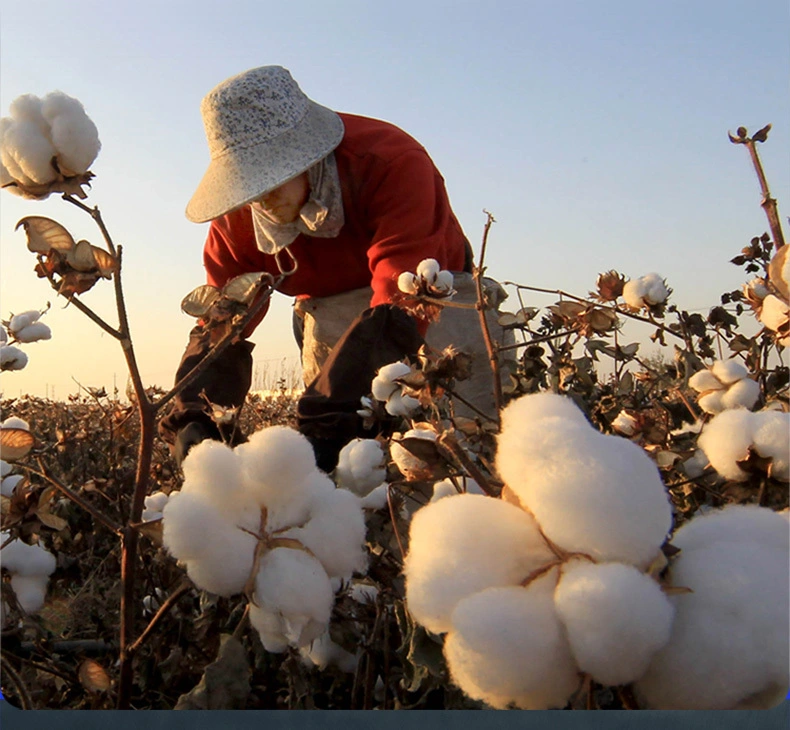
Cotton/Washed Cotton Series
.
What is the difference between regular cotton bedding and washed cotton bedding, in terms of appearance, texture, user experience, and market positioning? Which customer segments are each better suited for?
Regular cotton refers to untreated or minimally processed cotton fabric that retains its natural softness and clean texture—suitable for consumers who prefer a smooth, traditional bedding feel.
Washed cotton, on the other hand, is 100% cotton that has undergone an additional enzyme wash or garment-washing process to create a relaxed texture, natural wrinkles, and a soft, fluffy feel.
Key Differences:
1.Fabric Treatment
Cotton: Unwashed, natural finish
Washed Cotton: Softened through enzyme or stone washing for a lived-in look
2.Look & Feel
Cotton: Smooth, crisp, clean appearance
Washed Cotton: Wrinkled, matte, cozy, more casual or vintage-inspired
3.Comfort & Breathability
Both are breathable and skin-friendly, but washed cotton offers a softer and more broken-in feel—especially popular for naked sleeping or sensitive skin
4.Price Range
Washed cotton is slightly more expensive due to extra processing
5.Market Positioning
Cotton: Better for traditional retail, basic product lines
Washed Cotton: Popular in lifestyle-focused brands, Nordic-inspired or minimalist home bedding collections
Is your washed cotton enzyme-washed or machine-washed?
We use enzyme-washed cotton for our washed cotton bedding products. Compared to traditional machine-washing methods, enzyme-washing is a more advanced and eco-friendly process that delivers a softer, more refined fabric feel.
Key differences:
Enzyme-washed:
Uses natural enzymes (like cellulase) to gently break down the fiber surface, reducing fuzz and enhancing softness without damaging the core fabric. It results in better skin feel, improved durability, and color retention. This is the preferred method for high-end and consistent-quality washed cotton fabrics.
Machine-washed:
Relies on physical abrasion (such as stone washing or repeated washing cycles) to soften the fabric. While effective, it may cause fiber weakening, uneven results across batches, and a less refined texture.
By using enzyme-washed cotton, we ensure a superior feel, longer-lasting comfort, and greater consistency—ideal for premium bedding lines.
Washed cotton is more expensive than regular cotton—what justifies the price difference?
Washed cotton is slightly more expensive than regular cotton due to the added processing steps and the value it provides in terms of texture, aesthetics, and product performance. Here’s what justifies the price difference:
1. Additional Processing Costs
Washed cotton undergoes extra finishing treatments such as enzyme washing or soft water rinsing, which require more time, labor, and machinery—naturally increasing production cost per unit.
2. Improved Softness & Skin Feel
The washing process transforms standard cotton into a softer, fluffier, and more skin-friendly fabric, ideal for direct contact with the skin, and especially suitable for those with sensitivities.
3. Aesthetic Appeal
Washed cotton offers a relaxed, slightly wrinkled, matte texture that stands out from the crisp, smooth look of regular cotton. This casual and lived-in appearance is highly favored by modern, minimalist, and lifestyle-oriented brands.
4. Better Dimensional Stability
Since washed cotton is pre-shrunk and softened, it offers superior resistance to deformation, shrinkage, and fading, making it ideal for frequent washing and long-term use—reducing return or complaint rates.
5. Perceived Value in the Market
In the US and European bedding markets, washed cotton is considered a trend-forward, premium material—often seen in Nordic-style, eco-conscious, and Instagram-friendly collections. It adds branding value and supports higher retail positioning.
In summary, while washed cotton costs more to produce, it delivers clear returns in customer satisfaction, product reliability, and market appeal, making it a smart investment for any bedding brand aiming to stand out.
What are the sales trends of washed cotton in the US and European markets?
Washed cotton has become increasingly popular in the US and European bedding markets, especially among brands focused on style, comfort, and eco-conscious consumers. Here are the key sales trends:
1. Aligned with Lifestyle Aesthetics
Modern consumers are moving away from stiff, glossy fabrics toward relaxed, natural textures. Washed cotton—with its soft hand feel, wrinkled finish, and matte look—perfectly fits minimalist, Nordic, and casual bedding aesthetics.
2. Widely Adopted Across Retail Channels
Washed cotton bedding is now common on Amazon, Wayfair, Zara Home, H&M Home, and boutique retailers in forms like:
1.Scandinavian-style sheet sets
2.Boho duvet cover sets
3.Cozy summer quilts and fitted sheets
It’s especially popular among Gen Z and female buyers who value soft touch and casual elegance.
3. High Repeat Purchase Rate
Consumers consistently report high comfort,low maintenance,and effortless styling with washed cotton bedding. The non-ironing benefit makes it ideal for dorms, rentals, and busy lifestyles—resulting in strong word-of-mouth and repeat sales.
4. Sustainability-Driven Growth
Washed cotton aligns with growing demand for sustainable, non-toxic, and eco-conscious materials. Its enzyme-washed process avoids harsh chemicals and supports ethical branding—appealing to modern buyers.
5. Growing Price Acceptance
Although priced slightly higher than regular cotton, washed cotton’s added value in design, comfort, and durability has earned strong acceptance in mid-to-premium market segments.
Does washed cotton require special care? How is it washed compared to cotton?
Washed cotton does not require any special care, and in fact, it’s even easier to maintain than regular cotton—making it ideal for daily, high-frequency use.
Thanks to its pre-washing process (enzyme or soft water treatment), the fabric becomes more stable, softer, and less prone to shrinking or wrinkling.
Key care differences from regular cotton:
- Better Shrinkage Control:
Washed cotton is pre-shrunk during production, so it’s less likely to shrink after the first wash—unlike untreated cotton. - Wrinkle-Free Appearance by Design:
Its naturally crinkled look is part of the aesthetic, meaning there’s no need for ironing—it looks good as-is. - Same Washing Instructions:
Just like cotton, it should be washed in cold or lukewarm water (below 30°C), using mild detergent. Machine washable, hang to dry or tumble dry on low. - More Durable for High-Turnover Use:
Its fabric stability makes it perfect for hotels, dorms, or e-commerce bedding lines—products that need to withstand frequent laundering.
In short, washed cotton offers a premium appearance with low-maintenance performance, making it a smart and practical choice for modern bedding collections.
Cooling Comfort Series
What are the advantages of your Cooling Comfort series over regular summer quilts?
Compared to traditional summer quilts, our Cooling Comfort series offers the following key advantages:
1. Scientifically Proven Cooling Performance
Using advanced technologies like Arc-Chill fibers or HeiQ Smart Temp, our quilts deliver an instant cooling touch with a Q-max rating ≥ 0.4, offering far better temperature regulation than basic polyester or cotton summer blankets.
2. Enhanced Breathability & Moisture Management
The fabrics and constructions are designed to allow better airflow and wick away moisture quickly, reducing the discomfort caused by heat and sweat—ideal for humid climates and hot sleepers.
3. Superior Skin Comfort
With a smooth, silky hand feel and cool-to-the-touch surface, our cooling comforters eliminate the clinginess and rough texture often found in conventional summer quilts.
4. Durable and Long-Lasting Function
Unlike standard printed fabrics, our products use fiber-level cooling yarns or performance coatings that are wash-resistant and long-lasting, ensuring consistent performance over time.
5. Customizable & Versatile Construction
The Cooling Comfort collection supports custom structures such as double-sided cooling, A/B face designs, light or padded versions—perfect for OEM/ODM bedding buyers seeking differentiated product lines.
Are your Cooling Comfort products safe for people with sensitive skin?
Yes, our Cooling Comfort products are completely safe for people with sensitive skin, including children, infants, pregnant women, and premium consumers with high fabric standards.
1. Certified Safe Materials
All contact fabrics are OEKO-TEX STANDARD 100 certified, ensuring they are free from formaldehyde, fluorescent agents, and harmful chemical residues, and safe for direct skin contact.
2. Skin-Friendly Softness
We use smooth, hypoallergenic materials like nylon blends, Arc-Chill fibers, and HeiQ Smart Temp-treated cotton, offering a gentle, friction-free surface that minimizes irritation and redness.
3. Breathable & Moisture-Wicking
Compared to standard summer quilts, our cooling bedding features enhanced moisture control and ventilation, which helps prevent heat rashes, itching, and discomfort caused by sweating.
4. Baby-Safe Options Available
For select clients, we also offer baby-grade cooling bedding customization, meeting the stricter fabric safety requirements for infant products in North America and Europe.
What cooling technologies are used in your Cooling Comfort series?
Our Cooling Comfort series incorporates a range of cutting-edge cooling technologies—across yarn level, fabric treatment, and advanced coating—to meet the needs of different customers and applications. Key technologies include:
1. Arc-Chill® Cooling Fiber
A Japanese-developed fiber with a high Q-max value (0.4–0.45), it instantly dissipates body heat for a long-lasting cooling sensation. Ideal for skin-touch products like duvet covers and pillowcases.
2. HeiQ Smart Temp™ Adaptive Temperature Control
This Swiss technology responds to body temperature changes, releasing or retaining heat through hydrophilic polymers. Perfect for four-season comforters or adaptive sleep environments.
3. PCM (Phase Change Material) Cooling Coating
PCM coating absorbs excess heat when you’re warm and releases it when you’re cool, providing a thermal buffer effect. This ensures optimal sleeping temperature, and is widely used in premium cooling comforters and memory foam pillows.
4. Nylon + Contact Cooling Finishing
Our cost-effective approach for mass production, blending nylon and polyester with topical cooling treatments to deliver pleasant cool-touch and breathable performance. Popular in A/B face designs and multi-season comforters.
5. Nano Cooling Functional Coatings
High-end items use nano-level film coatings that offer enhanced cooling and added features like antibacterial, anti-dust mite, or anti-static effects—ideal for hotel-grade or tech-focused bedding lines.
How do different cooling fabric combinations affect the cooling performance, and what are the key differences in cost among them?
Different combinations of cooling fabrics lead to distinct levels of cooling performance, tactile comfort, elasticity, and cost structure. Below are the typical fabric blends and their characteristics:
1.Nylon + Spandex
- Performance: Strong cool-to-the-touch effect (Q-max ≥ 0.35), excellent stretch, and skin adaptability.
- Best for: Pillow covers, fitted sheets, or skin-contact products.
- Cost: High—due to the imported nylon and high spandex ratio. Suited for premium markets.
2️.100% Nylon (Polyamide)
- Performance: High surface cooling (Q-max ≥ 0.3–0.35), smooth texture, but lacks elasticity.
- Best for: A-side of cooling comforters with a softer B-side.
- Cost: Medium-high. Recommended for hot-weather regions like the southern US or Southeast Asia.
3.Nylon + Polyester
- Performance: Balanced coolness, strength, and cost-efficiency. Q-max typically around 0.28–0.32.
- Best for: All-season comforters, A/B face cooling quilts, and bulk OEM production.
- Cost: Mid-range. A great value blend for scalable orders.
4️ Polyester + Spandex
- Performance: Good stretch and comfort, but limited cooling (Q-max < 0.25). Can be enhanced with cooling coatings.
- Best for: Entry-level cooling bedding or B-side fabric.
- Cost: Low. Ideal for budget-oriented or e-commerce product lines.
5. Nylon/Spandex Blends in Different Ratios (e.g., 88/12, 90/10, 92/8)
- Key Notes:
- Higher nylon ratio = better cooling, lower elasticity
- Higher spandex ratio = softer fit, higher material cost
- Typical Q-max values:
- 88/12 → Q-max ≈ 0.35–0.38
- 92/8 → Q-max ≈ 0.30–0.33
- Cost: Spandex increases yarn price, especially noticeable in large-surface products.
- Recommendation: Adjust the ratio based on whether your priority is performance or cost control.
How should cooling bedding products be washed and cared for? Will washing affect the cooling effect?
Proper washing and care are essential to maintaining the cooling performance and lifespan of bedding products. While most cooling materials are washable, incorrect care methods may reduce their cooling effectiveness, especially those relying on coatings or topical finishes.
Recommended Washing Instructions:
- Gentle machine wash with cold or lukewarm water (≤30°C / 86°F)
Avoid hot water, which can degrade cooling yarns or coatings. - Use mild detergent; avoid bleach or fabric softeners
Harsh chemicals can damage the cooling surface or block breathability. - Use a laundry bag for delicate items like pillowcases or lightweight quilts
This minimizes friction and preserves surface treatments. - Air dry or tumble dry on low heat; avoid high-heat drying
High temperatures can deteriorate PCM coatings or nano-cooling layers. - Do not dry clean or iron
Many cooling fabrics are heat-sensitive and may shrink or lose functionality when ironed.
Will washing affect the cooling effect?
- Yarn-based cooling fabrics (e.g., Arc-Chill, nylon blends): Highly durable, cooling performance remains stable even after repeated washes.
- Finish-based cooling fabrics (e.g., HeiQ Smart Temp, PCM coatings): More vulnerable to frequent washing; gradual reduction in cooling intensity may occur.
Tip: For heavy users or hot sleepers, yarn-integrated cooling bedding is recommended for long-lasting performance.
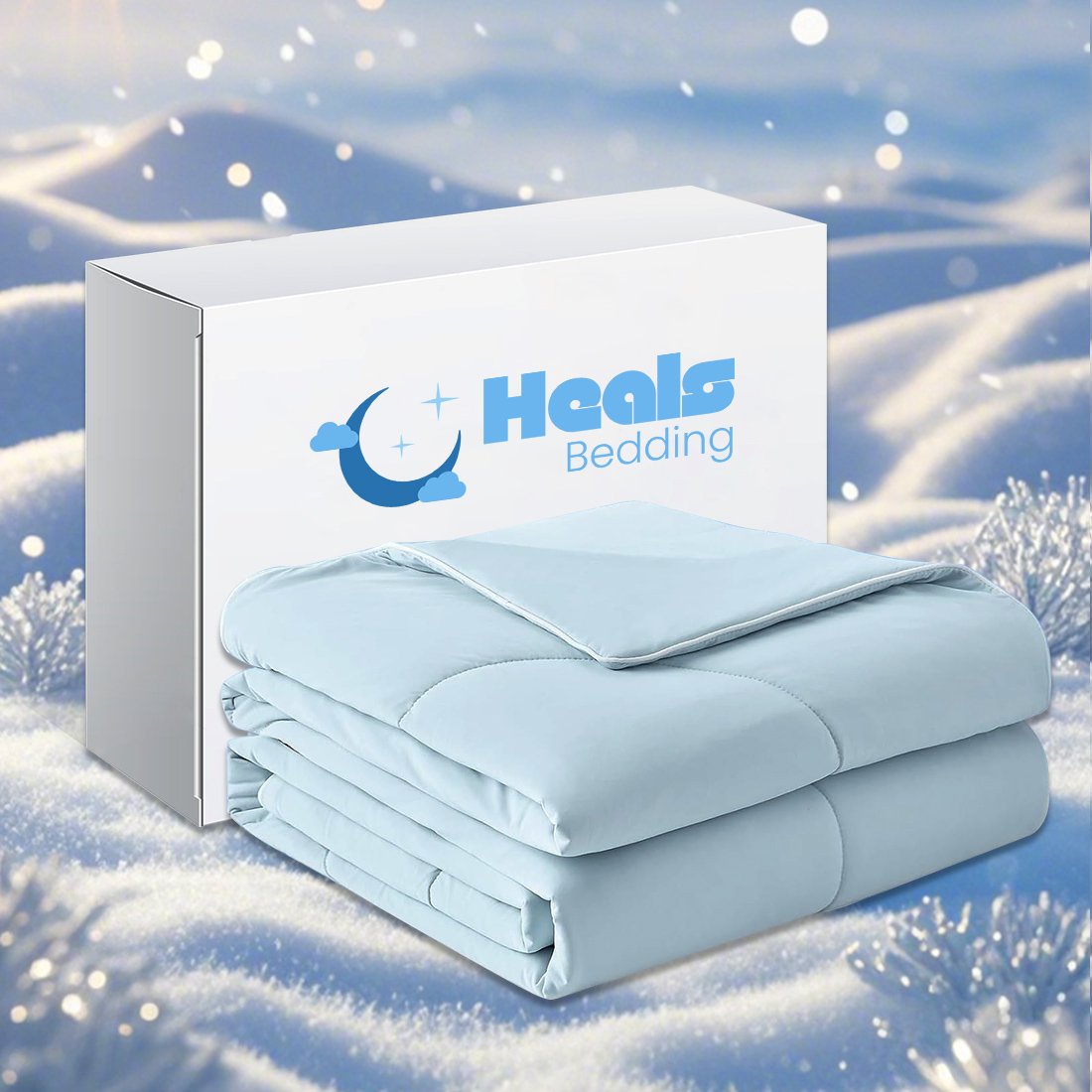
Cooling Comforter Series
.
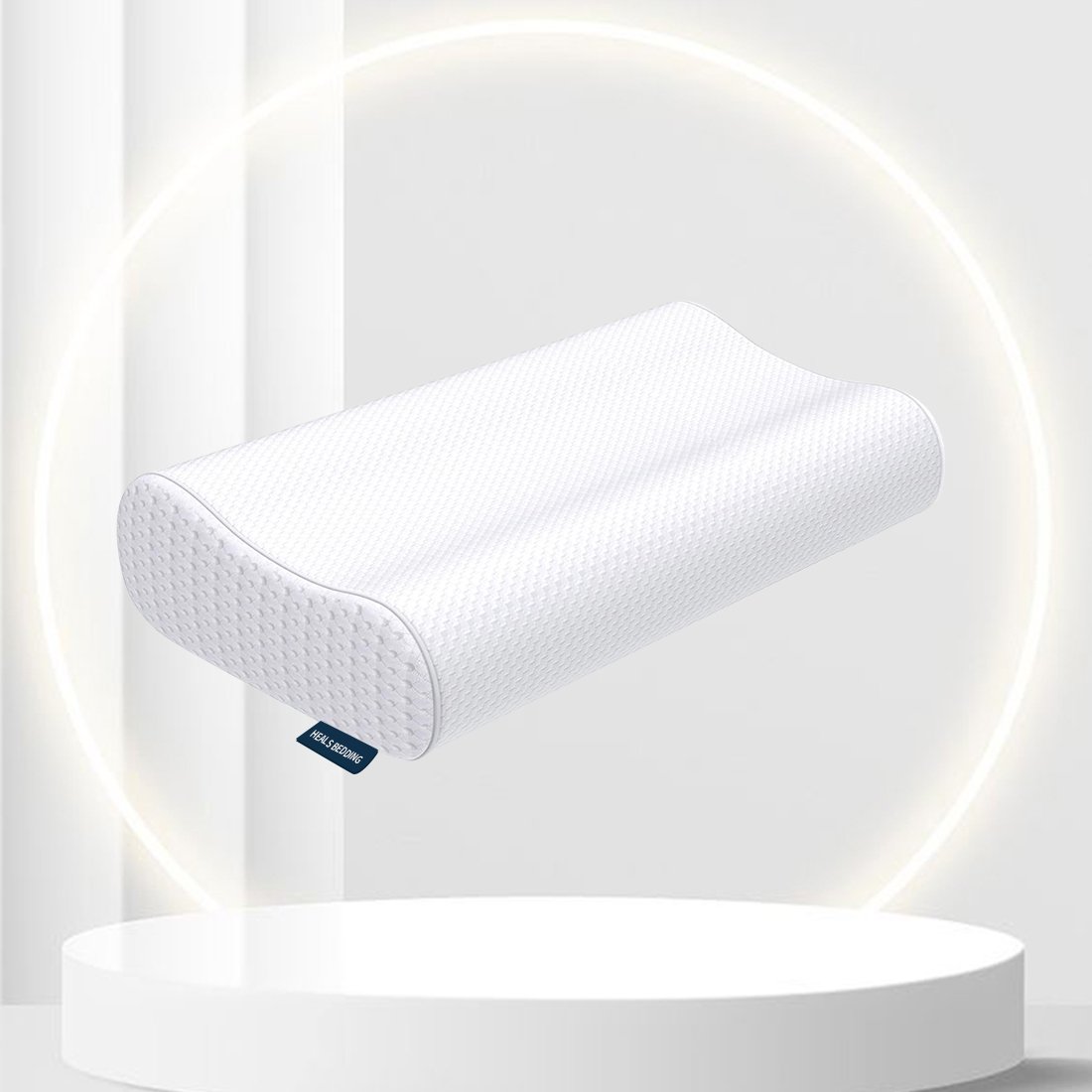
Memory Foam Series
.
How does memory foam compare to down or polyester fiber in terms of support and comfort?
From a supply chain and product development perspective, memory foam, down, and polyester fiber differ significantly in terms of support and comfort:
1.Memory Foam
Support: Excellent. It contours to the shape of the head and neck, providing slow-rebound pressure relief and stable, consistent support. Ideal for people needing neck alignment or firmer feel.
Comfort: Moderate to High. It offers strong contouring and pressure relief, though it can feel warmer and firmer than down.
2.Down
Support: Low. Extremely soft and fluffy but lacks structural support. Tends to collapse over time and may not provide proper neck alignment.
Comfort: Very High. Luxuriously soft, lightweight, and breathable. Ideal for people who love a plush, cloud-like feel.
3.Polyester Fiber
Support: Moderate. Affordable and versatile, with decent loft and bounce-back, but may flatten or clump over time.
Comfort: Moderate to High. Soft and breathable, suitable for general-use pillows and budget-friendly options.
Summary:
- For support and spinal alignment, go with memory foam.
- For a luxuriously soft and airy feel, choose down.
For a cost-effective and balanced filler, polyester fiber is practical.
Is memory foam more durable or longer-lasting than microfiber or traditional foam fillings?
Yes, memory foam is generally more durable and longer-lasting than both microfiber and traditional PU foam, based on material structure and performance:
1.Memory Foam
- Made from high-density viscoelastic polyurethane, offering excellent compression resistance and shape retention.
- Typical lifespan: 3–5 years or longer, depending on quality and usage.
- Maintains its form well over time and resists sagging.
2.Microfiber (Polyester Fiberfill)
- Soft and fluffy, but prone to clumping and flattening over time.
- Typical lifespan: 1–2 years. Better suited for short-term use or budget-focused products.
- Frequent washing reduces loft and performance.
3.Traditional Foam (Standard PU Foam)
- Lower density than memory foam, weaker rebound and durability.
- Typical lifespan: 1–3 years, depending on quality.
- May degrade or crumble over time under pressure and moisture.
Conclusion:
Memory foam offers superior longevity, followed by traditional foam and microfiber.
For clients who value long-term support and product performance, memory foam is a stronger choice.
What type of customer tends to prefer memory foam over traditional fillings like hollow fiber?
Typically, customers who prioritize ergonomic support, neck health, and sleep quality tend to prefer memory foam over traditional fillings like hollow fiber or polyester. They include:
1.People with neck pain or sleep-related discomfort
- Memory foam offers superior pressure relief and alignment support, making it ideal for people with cervical or spinal issues.
2.Consumers who prefer firm, contouring, and slow-rebound pillows
- Especially popular with side sleepers or back sleepers who want consistent support without flattening.
3.Mid-to-high-end customers who value durability and performance
- These customers are willing to pay more for premium materials that offer long-term use and structural integrity.
4.E-commerce and direct-to-consumer (DTC) brand customers
- Memory foam is a key material for branding sleep technology, orthopedic design, or “supportive sleep” marketing strategies on platforms like Amazon.
5.Younger generations focused on health & practicality
Many Gen Z or millennial customers prioritize structured support and “neck protection” over traditional plush comfort.
How does memory foam perform in hot climates? Is it warmer than fiber-filled pillows?
Yes, traditional memory foam tends to retain more heat in hot climates and can feel warmer than fiber-filled pillows. Here’s a breakdown:
Performance of Memory Foam in Hot Weather:
1.Temperature Sensitivity
- Memory foam reacts to body heat and softens, conforming to the sleeper’s shape. However, this same property can trap heat, especially in warm and humid environments.
2.Lower Breathability
- Compared to hollow fiber or polyester, memory foam has a denser cell structure, which limits airflow and contributes to heat buildup.
3.Modern Variants Improve Cooling
- Gel-infused memory foam helps dissipate heat.
- Ventilated (perforated) foam enhances airflow.
- Charcoal or bamboo-infused foam adds breathability and moisture control.
- PCM (Phase Change Material) coatings regulate surface temperature.
In contrast, fiber-filled pillows:
- Offer better airflow and cooler feel, especially hollow polyester types.
But they lack long-term support and rebound stability, and may flatten over time..
Which type of filling offers better pressure relief for side sleepers – memory foam or polyester?
For side sleepers, memory foam offers significantly better pressure relief than polyester fiber, due to the following reasons:
1. Memory Foam
- Excellent contouring: It adapts to the curves of the head, neck, and shoulder, filling the gap between head and mattress during side sleeping.
- Superior support: Slow rebound and consistent density provide stable neck alignment.
- Effective pressure distribution: Reduces pressure on the ear and shoulder, which is essential for side sleepers who often experience compression in those areas.
Best for: People who sleep on their sides regularly, have neck/shoulder pain, or need orthopedic support.
2. Polyester Fiber
- Soft and fluffy feel: Comfortable at first, but flattens quickly and lacks structural support.
- Weaker pressure relief: Doesn’t conform to the sleeper’s shape well, leading to pressure points, especially at the shoulder.
Best for casual use: Guest rooms, kids’ pillows, or entry-level products.
For entry-level price points, is it possible to use shredded memory foam instead of molded foam?
Yes, shredded memory foam is commonly used as a cost-effective alternative to molded foam in entry-level or budget-conscious products.
Here’s a breakdown of the comparison:
1. Advantages of Shredded Memory Foam
- Lower cost: Made from leftover memory foam pieces, reducing raw material costs.
- Better airflow: Loose-fill design promotes breathability, ideal for hot or humid markets.
- Adjustability: Allows users to add or remove foam for customizable pillow height.
2. Disadvantages
- Less uniform support: Doesn’t provide consistent contouring like molded foam.
- May shift or clump: Needs well-designed inner liners or chambers to maintain shape.
- Lower perceived quality: Feels less premium and may appear messy if not well packaged.
Ideal Applications:
- Budget-friendly product lines (especially on Amazon, Walmart, Shopee, etc.)
- Adjustable-height pillows
Cooling or ventilated sleep products where airflow is prioritized over firm support
How do you ensure shape retention and consistent support compared to multi-chambered fiber pillows?
Memory foam ensures shape retention and consistent support more effectively than multi-chambered fiber pillows due to its material integrity and structural behavior:
1. Why Memory Foam Performs Better:
- Molded Structure, Not Loose Fill
Unlike fiber pillows which rely on physical compartments, molded memory foam maintains a solid shape. There’s no risk of shifting or uneven fill distribution. - Slow Rebound, Shape Memory Effect
Memory foam slowly rebounds after compression, retaining its original form even after prolonged use. This prevents flattening and maintains support zones. - Uniform Density = Uniform Support
The foam is consistent throughout the pillow, delivering balanced pressure relief with no weak spots or “flat zones.”
2. Limitations of Multi-Chamber Fiber Pillows:
- While chambering helps reduce fiber migration, fiber fill can still clump or compress unevenly over time.
- The support depends on chamber design, not the material’s inherent stability.
Once fill compresses, it rarely regains its loft without fluffing or washing.

