

Introduction
When it comes to modern textiles, consumers are increasingly demanding fabrics that combine softness, durability, and sustainability. One such fabric that has grown rapidly in popularity—particularly in bedding and home textiles—is Modal. Derived from natural sources yet enhanced with advanced processing, Modal offers an appealing balance of comfort, performance, and eco-friendliness. In this article, we will explore what Modal is, how it is made, its applications, common blends, and why it has become a favorite choice in the global bedding market.
What is Modal?
Modal is a regenerated cellulose fiber, which means it originates from natural raw materials but is processed through a semi-synthetic method. Specifically, Modal is produced from beechwood trees. Unlike purely synthetic fibers such as polyester, Modal retains the breathable and biodegradable qualities of natural fibers while providing greater strength and softness than traditional cotton.
Modal is sometimes classified as a second-generation viscose fiber, but with significant improvements:
It is softer and smoother than regular viscose.
It has better dimensional stability, meaning garments or bedding made with Modal are less likely to shrink or lose shape after washing.
It has a silky sheen and drape, making it ideal for luxurious yet practical bedding.

The Origin and Production of Modal
The story of Modal begins with sustainably managed beechwood forests, primarily located in Europe. Beech trees are naturally regenerative, requiring no artificial replanting, which makes Modal one of the more environmentally responsible fibers.
Production Process:
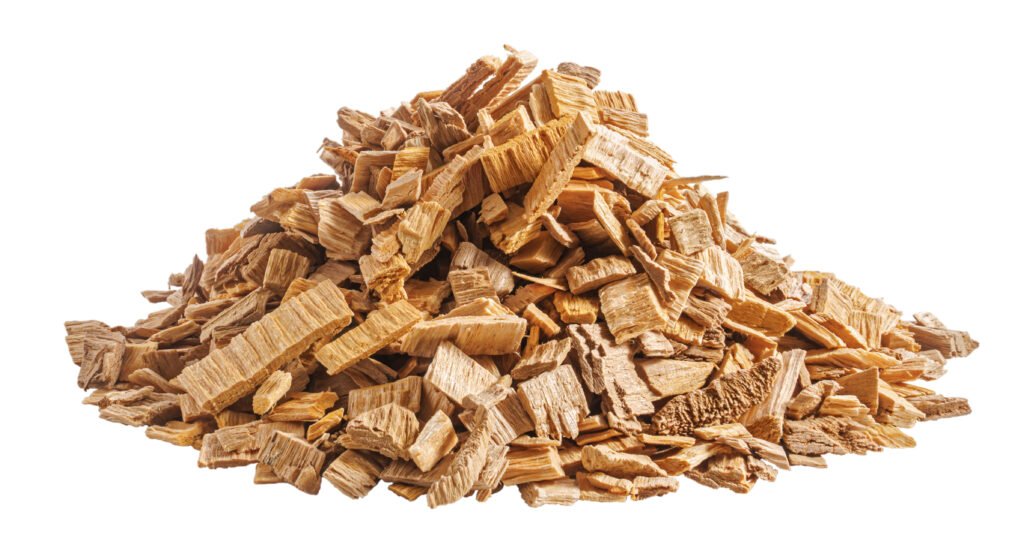
1.Harvesting Beechwood – Logs are cut and chipped into small pieces.
2.Cellulose Extraction – Cellulose is chemically extracted from the wood pulp.
3.Spinning Solution Preparation – The cellulose is dissolved to create a thick viscous liquid.
4.Extrusion – This liquid is pushed through fine spinnerets to form fibers.
5.Solidification – Fibers are solidified by chemical baths and then washed.
6.Finishing – The fibers are stretched, bleached, and cut, ready to be spun into yarn.
Many Modal producers, such as Lenzing™ in Austria, focus on closed-loop processes. This means chemicals and water used in production are recovered and reused, minimizing environmental impact.
Characteristics of Modal Fabric
Modal fibers offer a wide range of properties that are particularly valuable in bedding and home textiles:
Exceptional Softness – Modal is often described as “softer than cotton,” with a silky-smooth texture that feels gentle against the skin.
High Moisture Absorption – It absorbs up to 50% more moisture than cotton, keeping the fabric fresh and breathable.
Color Retention – Modal fibers take dye extremely well, producing rich, long-lasting colors that don’t fade easily.
Durability – Unlike some natural fibers, Modal is resistant to shrinking, pilling, and stretching.
Eco-Friendly – Derived from renewable wood sources and often produced with sustainable technologies.
Applications of Modal in Bedding
Modal is widely used in home textiles because it balances luxury and practicality. Some common applications include:
Bed Sheets and Pillowcases – For customers who demand silky softness with breathability.
Duvet Covers and Comforters – Modal fabric provides a smooth, elegant finish and enhances moisture regulation.
Mattress Protectors and Toppers – Its durability and moisture control make it suitable for functional bedding products.
Blended Fill Fabrics – Modal can be used as part of mixed-fiber fills for comforters and pillows, improving softness and thermal regulation.
In comparison to cotton, Modal bedding tends to feel cooler, silkier, and more fluid, which appeals strongly to consumers in warmer climates or those who prefer lightweight bedding.

Blending Modal with Other Fibers
One of Modal’s greatest advantages is its versatility in blends. Manufacturers often mix Modal with other fibers to combine strengths and achieve specific product performance:
Modal + Cotton
Adds softness and shine to cotton while retaining breathability.
Prevents cotton fabrics from becoming stiff after multiple washes.
Ideal for all-season bedding.
Modal + Polyester
Enhances strength and wrinkle resistance.
Provides a balance of natural softness with cost-effectiveness.
Great for mass-market bedding and hotel collections.
Modal + Bamboo Fiber
Combines two eco-friendly fibers with antibacterial properties.
Excellent for sensitive-skin products and sustainable bedding lines.
Modal + Silk
Creates an ultra-luxurious, lightweight fabric with natural sheen.
Perfect for premium bedding collections.
Modal + Spandex (Elastane)
Adds stretch and flexibility while keeping softness.
More commonly used in fitted bedding products.
These blends not only enhance performance but also create differentiation in the market, allowing brands to position their products for different consumer needs.
Why Modal is Popular in Global Bedding Markets
Modal has seen rising demand across Europe, North America, and Asia for several reasons:
Consumer Focus on Comfort – Buyers are seeking soft, smooth, and breathable fabrics for better sleep quality.
Sustainability Trends – With increasing concern for eco-friendly products, Modal’s renewable origin makes it an attractive option.
Versatility – Modal’s ability to blend with various fibers enables manufacturers to create diverse collections across price ranges
Luxury at a Reasonable Price – While more premium than cotton or polyester, Modal remains more affordable than pure silk or linen, making it a sweet spot for mid- to high-end bedding.
Challenges and Considerations
While Modal offers many benefits, a few considerations are important for manufacturers and consumers:
Cost Factor – Modal is more expensive than polyester or regular cotton, which may impact pricing strategies.
Care Instructions – Though durable, Modal requires gentle washing to maintain its silky finish. High heat drying or harsh detergents can damage the fibers.
Blending Decisions – The right blend must be chosen carefully based on target market positioning (luxury vs. cost-efficient).
Conclusion
Modal represents a fusion of natural origin, advanced production, and consumer-friendly qualities. From its beechwood beginnings to its luxurious softness, it offers bedding manufacturers a highly versatile material that aligns with modern trends in comfort and sustainability.
As the home textile market continues to evolve, Modal is positioned not only as a premium alternative to cotton but also as a bridge between natural and synthetic fibers. Whether blended or used in pure form, Modal adds value across product categories, making it an essential material for today’s bedding collections.

